Diagnostics
Diagnostic and monitoring equipment: B2B buying guide for medical practices in Morocco
By Abdelrhafar Naouri6 min readUpdated · June 2026
Littmann Classic III stethoscope: 1,350 MAD. Omron professional BP monitor: 850 MAD. Pulse oximeter: 180–450 MAD. 12-lead ECG machine: 4,500–15,000 MAD. B2B buying guide for Moroccan medical practices with indicative prices and sourcing advice.
Back to resources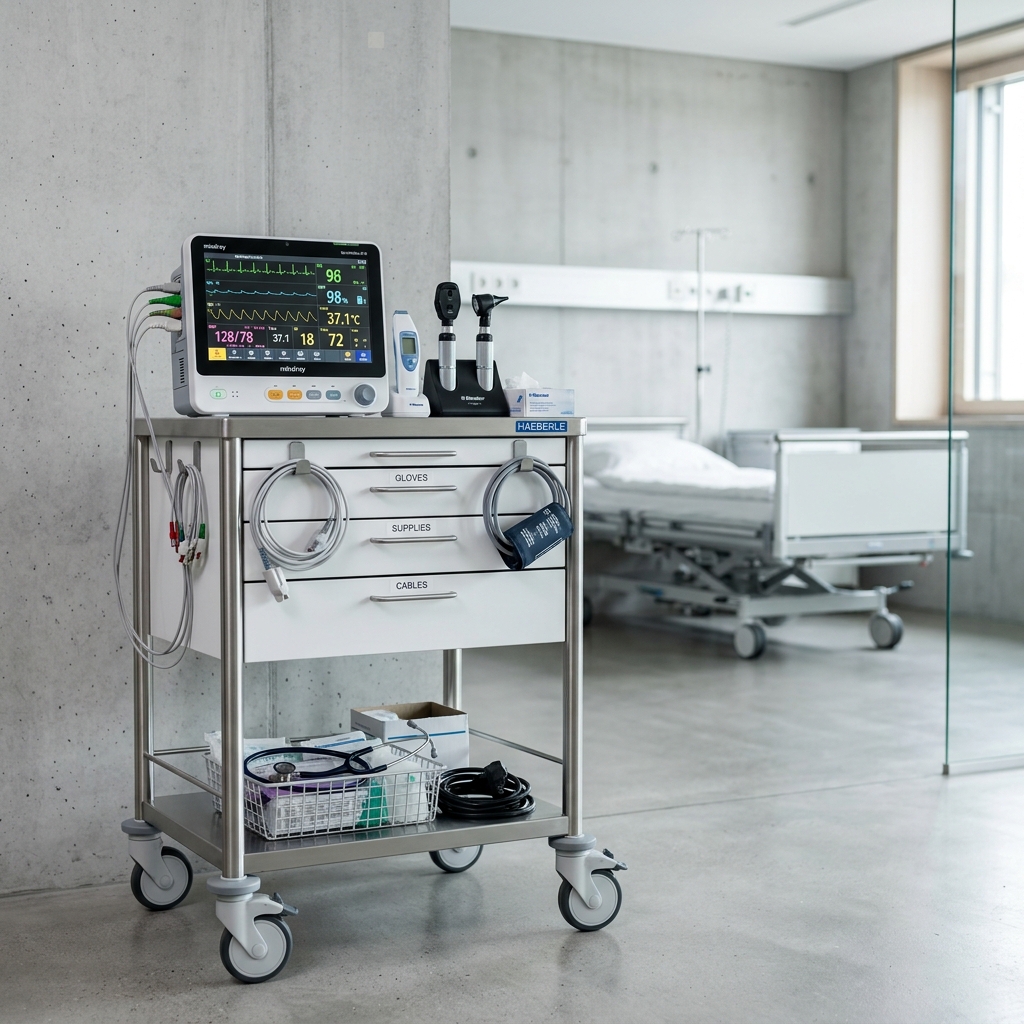
Start from the real use case
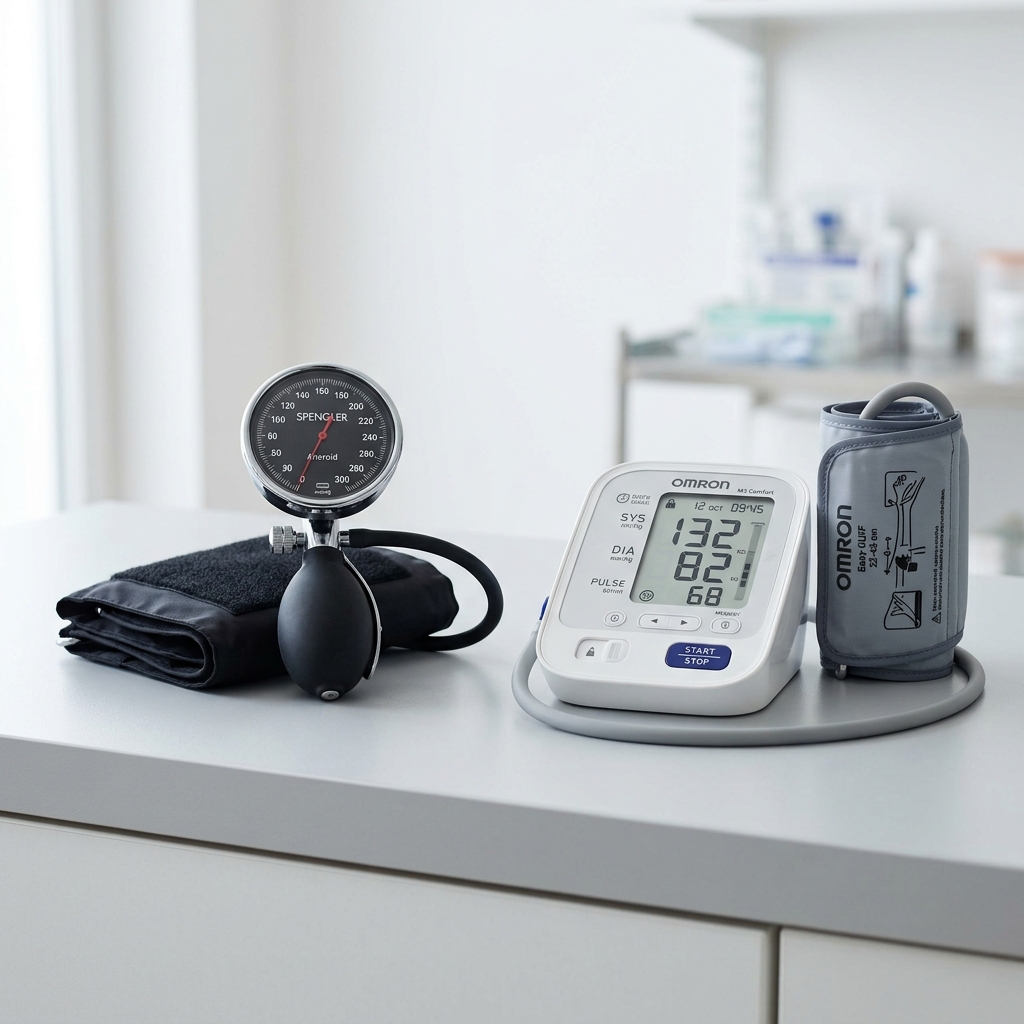
MediUnit is an authorized B2B distributor of medical diagnostic equipment for practices, polyclinics, and clinics in Morocco. 24-48h delivery. Indicative B2B prices below (MAD excl. VAT, July 2026) for the most requested references. Accurate diagnosis is the first step toward successful treatment. Whether setting up a new private practice or equipping an emergency triage room in Morocco, you need reliable, clinically validated measurement tools. This selection brings together the essentials: professional automatic blood pressure monitors (Omron or Spengler), portable pulse oximeters, 3- or 12-channel ECG machines, and benchmark stethoscopes (such as the Littmann stethoscope Classic III or Cardiology IV). For high-turnover clinics, integrating a multiparameter vital signs monitor enables instant checkups of BP, SpO2, and temperature.
Compare the criteria that change total cost
Major technical points to compare are: certified clinical accuracy (ESH validations for blood pressure monitors), durability for heavy daily use, battery runtime for mobile units (such as portable ECGs), and connectivity for data export. For stethoscopes, check the diaphragm type (tunable) and the comfort of soft-sealing eartips. Do not forget to buy a variety of cuff sizes (standard, pediatric, bariatric) to equip your professional blood pressure monitors properly.
Plan setup, replenishment, and maintenance
Electronic diagnostic equipment requires annual calibration to guarantee measurement accuracy (especially blood pressure monitors and medical scales). Consumables (ECG thermal paper, contact gel, disposable otoscope speculums) must be restocked regularly. MediUnit offers complete packages combining devices, replacement consumables, and after-sales calibration services across our entire diagnostic medical category.
What to include in the quote request
Specify in your quote request: the list of required equipment (stethoscopes, BP monitors, ECG, oximeters), quantities, clinical focus (general, pediatric, cardiology), delivery city in Morocco, and whether you want startup consumables. Our sales teams will deliver a proposal within 24 hours.
Related product
Abdelrhafar Naouri
Clinical Director & Medical Sourcing Expert
With over 15 years of experience managing clinical facilities and medical equipment sourcing in Morocco, Abdelrhafar Naouri guides healthcare professionals in securing regulatory-compliant medical supplies under Ministry of Health (DMP) standards.
Actions
Next step
Move from content to execution: open a structured quote, browse brands, or activate the client portal to centralize orders and documents.
Related articles
All Diagnostics articles