
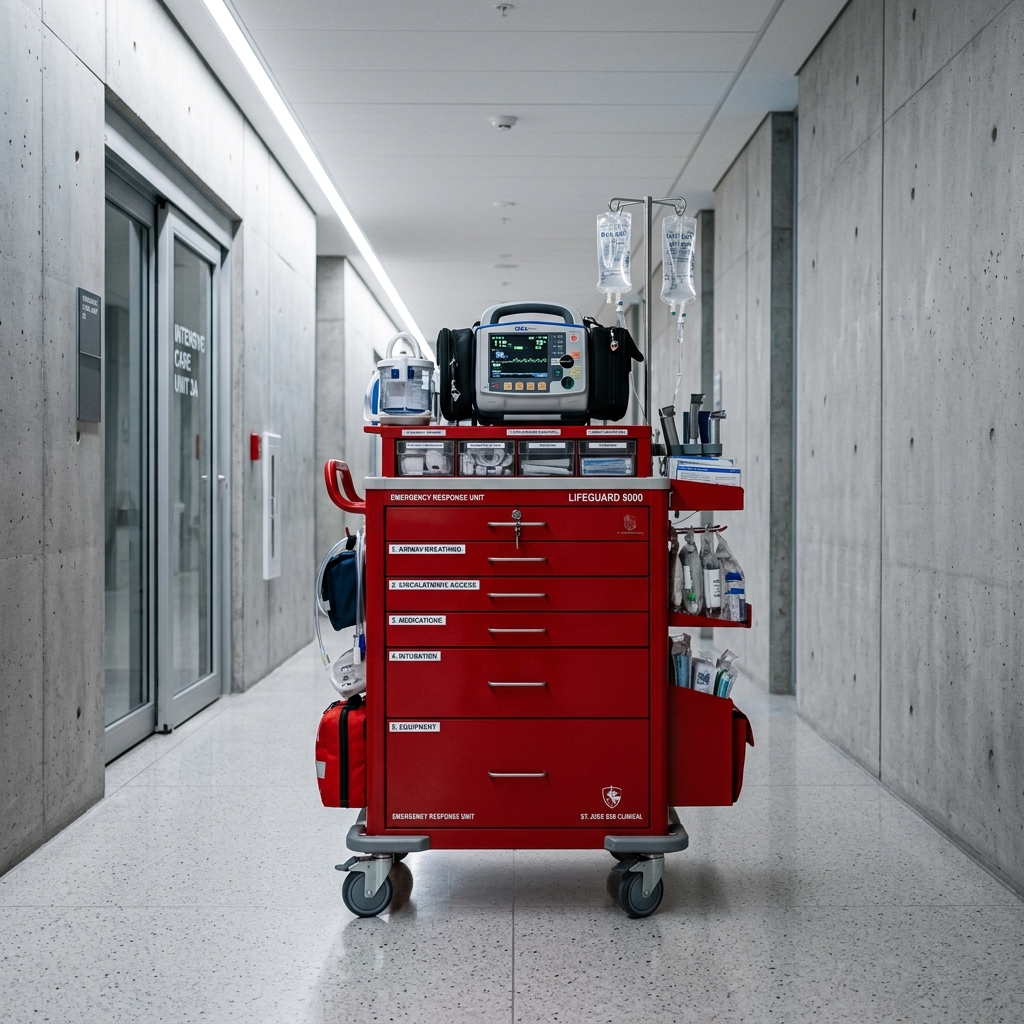
Emergency response
How to choose an automated external defibrillator in Morocco for a practice, clinic, or public site
By Abdelrhafar Naouri6 min readUpdated · March 2026
The right AED is not just a price question: you need to assess CPR guidance, ruggedness, consumables, and expected readiness.
Back to resources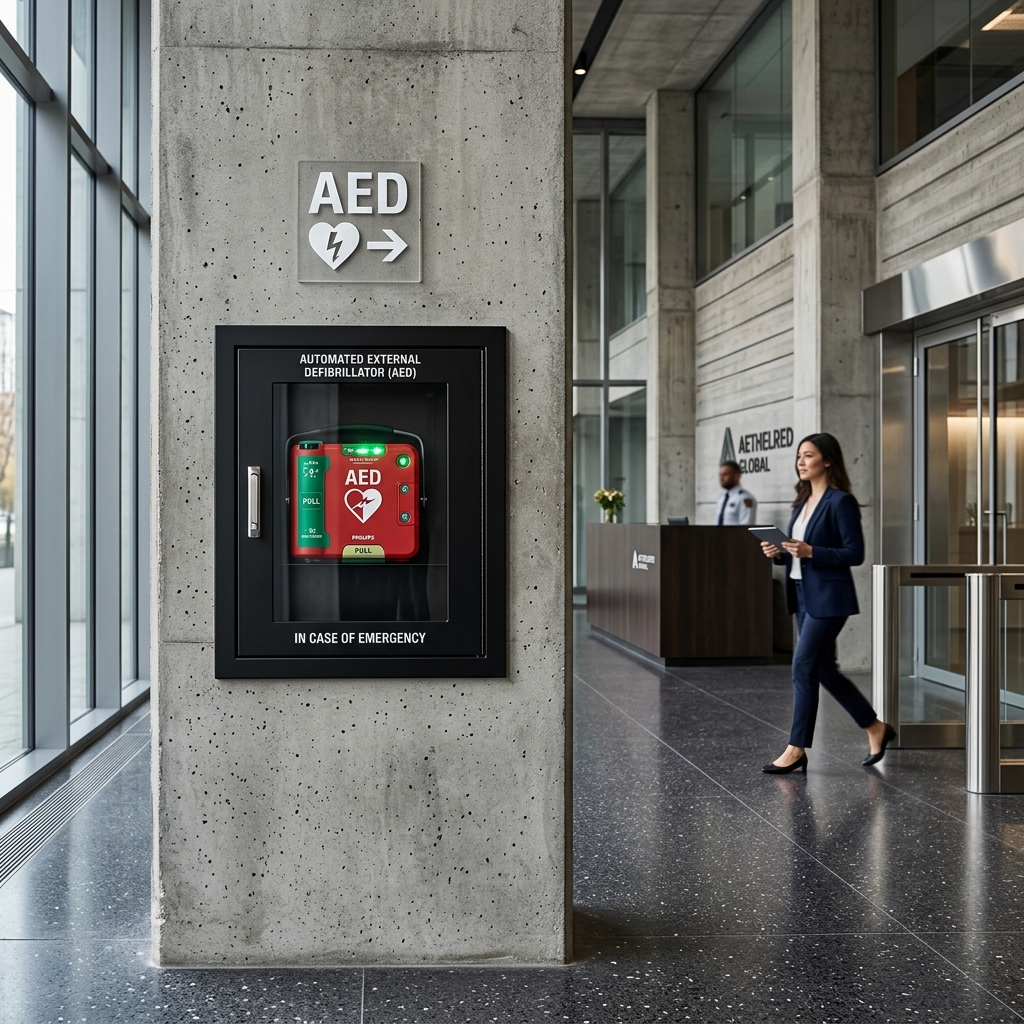
Start from the real operating context
The requirement changes depending on whether the device is meant for a private practice, clinic, office reception, industrial site, or public-access building. An AED installed in a lobby and rarely used must be simple, visible, self-tested, and easy to maintain. A care setting will also look closely at CPR guidance, pediatric accessories, and how quickly the unit can be put back into service.
Compare CPR guidance, not only shock delivery
In real use, compression quality matters as much as the shock itself. That is why buyers increasingly compare devices that provide real-time feedback on compression depth and rate. For teams that do not perform resuscitation every day, that guidance can make a real difference in the critical moment.
Check batteries, pads, and readiness
The right purchase includes the follow-through: battery life, adult and pediatric pads, self-test behavior, IP protection, device placement, and replenishment. A visible unit without up-to-date consumables is not a real readiness plan. That is why a quote-based process for a defibrillator in Morocco is often more useful than a bare catalog price.
Related product
Sources & References
Abdelrhafar Naouri
Clinical Director & Medical Sourcing Expert
With over 15 years of experience managing clinical facilities and medical equipment sourcing in Morocco, Abdelrhafar Naouri guides healthcare professionals in securing regulatory-compliant medical supplies under Ministry of Health (DMP) standards.
Actions
Next step
Move from content to execution: open a structured quote, browse brands, or activate the client portal to centralize orders and documents.
Related articles
All Emergency response articles