
Medical Carts & Trolleys
Clinical filtersOpen filters
Open filters
Category buying guide
Sourcing medical carts & trolleys in Morocco
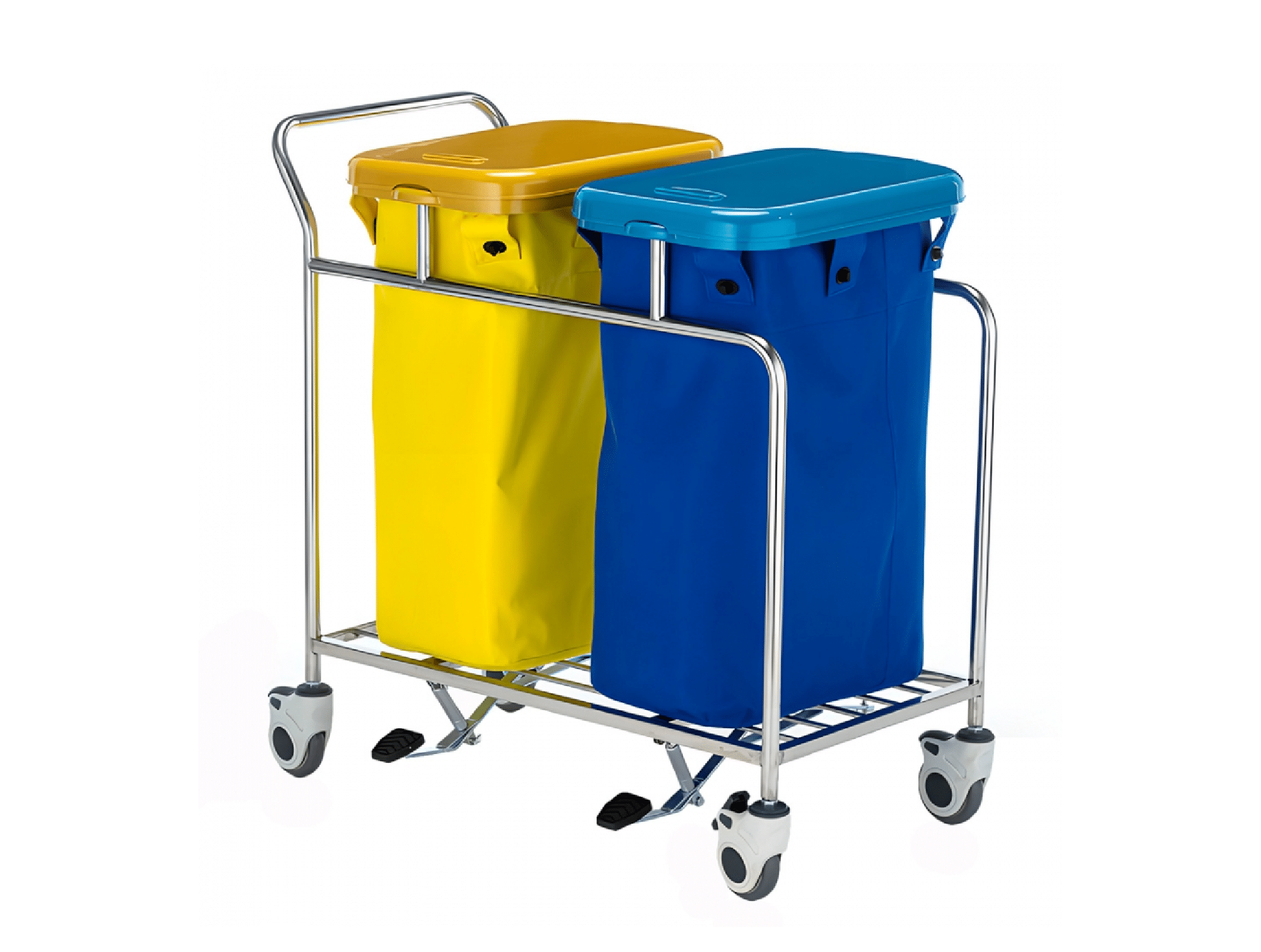
The "Medical Carts & Trolleys" category gathers medical-grade equipment and supplies designed for healthcare professionals, clinics, and hospitals in Morocco. We ensure that every clinical device meets strict safety and performance standards for hospital environments.
Professional sourcing of these medical items requires careful review of sizes, packaging types, clinical compatibility, and regulatory compliance. MediUnit simplifies procurement by offering full traceability, official documentation, and dedicated expert support.
To optimize clinical operations, we provide prompt nationwide delivery from our Casablanca distribution hub to all regions in Morocco, along with transparent B2B pricing, detailed invoicing, and seamless online quote requests.
Procurement notes
- Check the technical specifications and sizing of each product to ensure full alignment with clinical protocols.
- Verify packaging configurations by box or case to plan monthly clinic replenishment volumes effectively.
- Bundle procurement orders to meet the B2B minimum order value of 2000 MAD HT and optimize shipping costs.
Frequently asked questions — medical carts & trolleys
How can our clinic request a quote for Medical Carts & Trolleys products?
Simply add the desired references to your inquiry cart and submit a request online. Our clinical B2B procurement team will provide a detailed quote with wholesale pricing within 24 hours.
What is the delivery timeframe for these medical items in Morocco?
We deliver within 24 to 48 hours nationwide for in-stock items shipped from our Casablanca warehouse. For custom orders, our support team will communicate estimated import and logistics timelines.
Multi-line quote request
If the category matches a replenishment or launch need, move to the quote desk to frame lines, quantities, and timing.
Open the quote deskClient portal
The MediUnit portal then keeps history, invoices, and replenishment lists for your organization.
Open the client portalTracking and documents
Public tracking then helps recover status, the PDF invoice, and the compliance pack without starting from scratch.
Open tracking